The railway sector is undergoing a major digital transformation, and at the heart of this evolution is the Future Railway Mobile Communication System (FRMCS). Designed to replace the aging GSM-R network, FRMCS is not just a new radio system—it’s a strategic enabler for the next generation of rail operations across Europe and beyond.
📡 Why FRMCS?
GSM-R, the 2G-based communication backbone of today’s railways, is approaching obsolescence. Telecom providers are phasing out support by 2030, making maintenance increasingly expensive and technically constrained. FRMCS, built on 5G and designed for future adaptability (6G, SatCom, WiFi), offers:
- 🚄 Higher speed and lower latency
- 🔐 Enhanced data security and reliability
- 🧠 Modular architecture for future-proofing
- 🔄 Backward and forward compatibility with evolving standards
This shift is essential for maintaining safety, efficiency, and competitiveness in the rail sector.
🧩 What FRMCS Enables
FRMCS is more than a voice and data system—it’s a digital platform for a wide range of applications:
- ETCS and ATO operations
- Emergency communications
- Real-time video and remote diagnostics
- TCMS integration
- Passenger information systems and WiFi
- C-DAS and driver advisory tools
Its modular design allows for nearly limitless expansion, supporting both safety-critical and non-critical services.
🛠️ Specification Roadmap
The development of FRMCS specifications has followed a structured, collaborative path involving industry stakeholders and standardisation bodies. Key milestones include:
| Milestone | Target Date |
|---|---|
| ETSI Phase 1 technical specs | End 2025 |
| ETSI Phase 2 technical specs | End 2027 |
| CCS TSI integration | 2028–2029 |
This timeline ensures that FRMCS is not only technically robust but also aligned with broader interoperability goals.
Remark: Please note that the dates and milestones presented are based on current planning and may be subject to change depending on regulatory decisions, industry consensus, and technical developments.
🚀 Deployment Strategy
Successful deployment of FRMCS hinges on:
- ✅ Harmonised specifications across Europe
- 💰 Cost-effective, standardised products
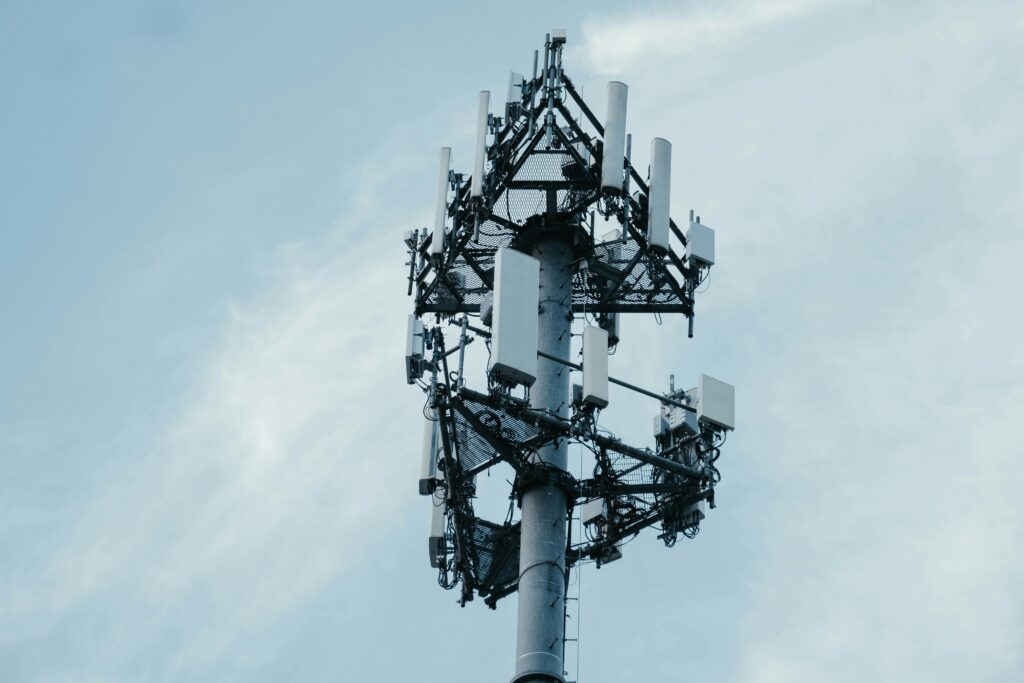
- 🛰️ Infrastructure reuse (e.g. GSM-R masts, fiber, ducts)
- 🤝 Collaboration with public telecom operators
- 📈 Competence development and migration planning
- 🔄 Seamless integration with ETCS and ERTMS
Funding mechanisms such as the Connecting Europe Facility and regional development programs are expected to support national rollouts, with conditions tied to compliance with harmonised standards.
🤝 Governance and Coordination
Deployment is supported by a structured ecosystem involving:
- EU-level coordination to align with TEN-T targets (2030–2050)
- Industry-led working groups focused on technology, legal/financial aspects, and migration
- National implementation plans to guide infrastructure managers and railway undertakings
FRMCS and ETCS together form the digital backbone of ERTMS, ensuring a unified, future-ready railway network.